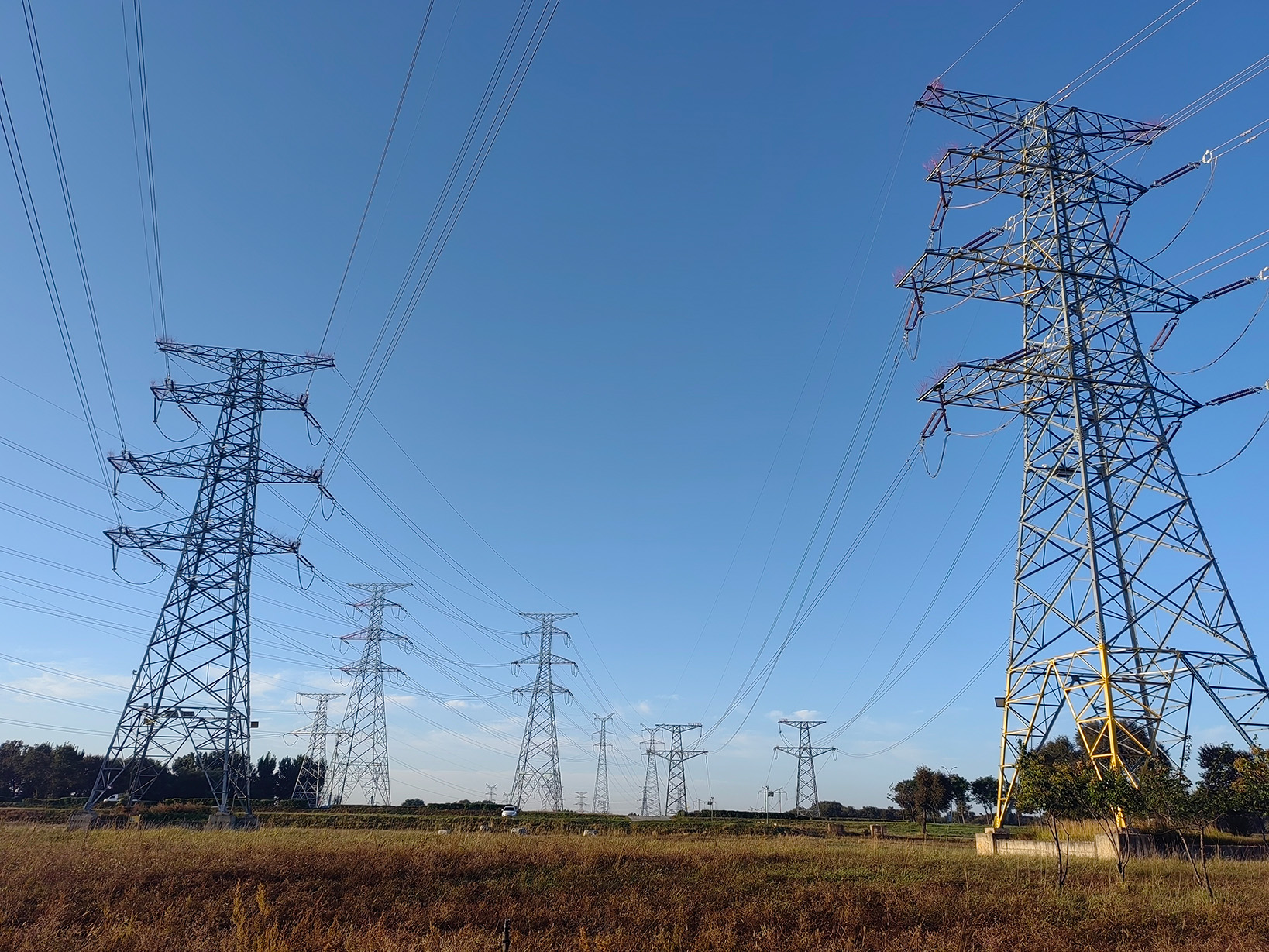
ADSS is all-dielectric with no metallic parts, immune to electromagnetic interference and installable while energized, suiting distribution network upgrades and long-span mountain crossings with low retrofitting costs and easy installation. OPGW combines the dual functions of ground wire and communication line with high mechanical strength, and is mostly used on new high-voltage and ultra-high-voltage backbone lines, where a single installation saves overall costs. Each serves its own role: ADSS supports distribution network digitalization, while OPGW underpins backbone grid transmission. As new-type power systems and ultra-high-voltage construction accelerate, demand for power communication optical cables keeps growing, and ice-resistant, high-capacity fiber products will become the mainstream development direction.
Copyright © 2023-2025 APAC Cable (Guangzhou) Co., Ltd. All Rights Reserved 粤ICP备2025482347号-1
Address: No.361, Xintang Avenue West, Xintang Town, Zengcheng District, Guangzhou, China





 粤公网安备44011802001235号