


In modern communications and IT infrastructure, the structured cabling system is the key foundation for achieving efficient, reliable, and scalable networks. From traditional patch panels to advanced fiber optic technology, structured cabling systems encompass multiple key components, each playing an important role in ensuring the stability and flexibility of data transmission. This article takes an in-depth look at the key components of structured cabling systems, from patch panels to fiber optics, analyzing their functions, importance, and future development trends.
A structured cabling system is a modular, standardized cabling solution designed to provide a unified connection platform for communications equipment within a building or a group of buildings. It not only supports current network requirements but also offers flexibility for future technology upgrades and expansion. A structured cabling system typically includes the following major parts: the work area subsystem, horizontal subsystem, administration subsystem, backbone (vertical) subsystem, equipment room subsystem, and campus subsystem. Each subsystem has its specific functions and components, together forming a complete and efficient cabling architecture.
Patch panels are one of the core components of structured cabling systems, mainly used to centrally manage communications cabling. They provide connection points for horizontal and backbone cabling, making the cabling system neater and easier to manage and maintain. Patch panels are typically installed in equipment rooms or telecommunications rooms to connect cabling from different work areas and distribute it to the corresponding network equipment.
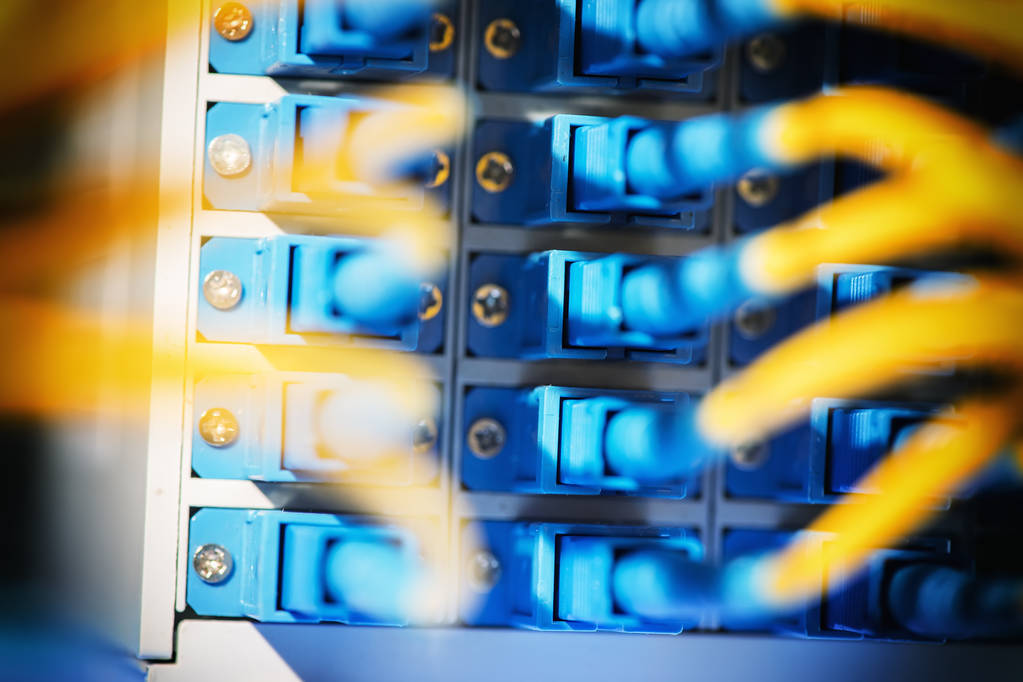
Patch panels come in several types, including copper patch panels and fiber optic patch panels. Copper patch panels are mainly used to terminate twisted-pair cables such as Cat5e and Cat6, and are widely used in Ethernet communications. Fiber optic patch panels are used to terminate fiber optic cables, supporting high-speed data transmission and long-distance communications. As network speeds rise and fiber optic technology becomes more prevalent, fiber optic patch panels are increasingly widely used.
Patch panels play a vital role in structured cabling systems. They not only improve the flexibility and scalability of the cabling system but also simplify cable management and troubleshooting. Through patch panels, technicians can quickly reconfigure network connections without re-running cables. In addition, patch panels enable connections between different devices via patch cords, greatly enhancing network flexibility.
The horizontal subsystem is an important part of a structured cabling system, connecting terminal equipment in the work area with patch panels in the telecommunications room. Its main function is to transmit data signals and support communications between terminal equipment and the network core. It typically uses twisted-pair cables or fiber optic cables, with the appropriate medium selected according to application requirements.
The horizontal subsystem mainly consists of twisted-pair cables, fiber optic cables, information outlets, and patch cords. Twisted-pair cables are the most commonly used medium in the horizontal subsystem, featuring low cost, easy installation, and strong anti-interference capability. Fiber optic cables are used for high-speed data transmission and long-distance communications, suitable for scenarios with high requirements on bandwidth and transmission distance. Information outlets are installed in the work area to connect terminal equipment such as computers and printers.
The horizontal subsystem plays a vital role in structured cabling systems. It not only ensures reliable connections between terminal equipment and the network core but also supports a variety of communications protocols and devices. Through rational design and installation of the horizontal subsystem, network performance and reliability can be improved. In addition, the flexibility of the horizontal subsystem makes network upgrades and expansion easier.
The backbone (vertical) subsystem is one of the core parts of a structured cabling system, responsible for connecting the telecommunications rooms on different floors. Its main function is to enable inter-floor communications and support long-distance transmission of data signals. It typically uses fiber optic cables or shielded twisted-pair cables to meet the requirements of high-speed data transmission and interference immunity.
The backbone (vertical) subsystem mainly consists of fiber optic cables, shielded twisted-pair cables, vertical cable risers, and connection hardware. Fiber optic cables are the most commonly used medium in the backbone subsystem, featuring long transmission distances, high bandwidth, and strong anti-interference capability. Shielded twisted-pair cables are used in environments sensitive to electromagnetic interference to ensure reliable data transmission.
The backbone (vertical) subsystem plays a vital role in structured cabling systems. It not only ensures reliable communications between different floors but also supports a variety of network topologies. Through rational design and installation of the backbone subsystem, network performance and reliability can be improved. In addition, the flexibility of the backbone subsystem makes network upgrades and expansion easier.
Fiber optic technology is one of the core technologies of modern communications networks, offering advantages such as fast transmission speed, high bandwidth, strong immunity to interference, and long transmission distances. Fiber optic cables transmit data using optical signals and are immune to electromagnetic interference, making them suitable for high-speed data transmission and long-distance communications. Compared with traditional copper cables, fiber optic cables offer higher transmission bandwidth and can support the development of future network technologies.
Fiber optic technology is increasingly widely used in structured cabling systems. From data centers to enterprise networks, fiber optic cables are used to connect servers, storage devices, and network switches. The use of fiber optic patch panels and fiber patch cords makes fiber networks easier to manage and maintain. In addition, Fiber-to-the-Desktop (FTTD) technology is gradually gaining popularity in some high-end applications.
As network speeds continue to rise and data centers grow in scale, fiber optic technology will keep developing and innovating. In the future, the transmission bandwidth of fiber optic cables will further increase, supporting higher data transmission rates. At the same time, fiber optic connection technology will become simpler and more standardized, reducing installation and maintenance costs.
The administration subsystem is one of the core parts of a structured cabling system, responsible for managing and distributing communications cabling. Its main function is to centrally manage patch panels, patch cords, and connection hardware, enabling flexible configuration and management of cabling. Through the administration subsystem, technicians can quickly reconfigure network connections without re-running cables.
The administration subsystem mainly consists of patch panels, patch cords, labels, and administration hardware. Patch panels are used to centrally manage communications cabling, patch cords are used to connect different devices and circuits, and labels are used to identify cables and devices for easy management and maintenance.
The administration subsystem plays a vital role in structured cabling systems. It not only improves the flexibility and scalability of the cabling system but also simplifies cable management and troubleshooting. Through rational design and installation of the administration subsystem, network performance and reliability can be improved. In addition, the flexibility of the administration subsystem makes network upgrades and expansion easier.
The equipment room subsystem is one of the core parts of a structured cabling system, responsible for centrally managing network equipment. Its main function is to provide an installation and connection platform for network equipment, supporting the centralized management of servers, switches, routers, and other devices. Through the equipment room subsystem, the composition of the equipment room subsystem can be realized
The equipment room subsystem mainly consists of racks, network equipment, power equipment, and cooling equipment. Racks are used to mount network equipment, which handles data transmission and processing. Power equipment provides a stable power supply, and cooling equipment ensures the normal operation of the devices.
The equipment room subsystem plays a vital role in structured cabling systems. It not only improves the management efficiency of network equipment but also ensures stable network operation. Through rational design and installation of the equipment room subsystem, network performance and reliability can be improved. In addition, the flexibility of the equipment room subsystem makes network upgrades and expansion easier.
The campus subsystem is one of the core parts of a structured cabling system, responsible for connecting the networks of multiple buildings. Its main function is to enable inter-building communications and support long-distance transmission of data signals. It typically uses fiber optic cables or coaxial cables to meet the requirements of high-speed data transmission and interference immunity.
The campus subsystem mainly consists of fiber optic cables, coaxial cables, underground conduits, and connection hardware. Fiber optic cables are the most commonly used medium in the campus subsystem, featuring long transmission distances, high bandwidth, and strong anti-interference capability. Coaxial cables are used in scenarios with lower bandwidth requirements to ensure reliable data transmission.
The campus subsystem plays a vital role in structured cabling systems. It not only ensures reliable communications among multiple buildings but also supports a variety of network topologies. Through rational design and installation of the campus subsystem, network performance and reliability can be improved. In addition, the flexibility of the campus subsystem makes network upgrades and expansion easier.
With the development of IoT and AI technologies, structured cabling systems will move toward intelligent management. Through smart sensors and management systems, the status of the cabling system can be monitored in real time, with faults automatically detected and repaired. This intelligent management not only improves the reliability of the cabling system but also reduces maintenance costs.
As environmental awareness grows, structured cabling systems will place greater emphasis on green sustainability. Low-energy equipment and materials will be used to reduce environmental impact. At the same time, optimized cabling design will reduce cable usage and resource waste.
With the continuous development of network technologies, structured cabling systems will support higher bandwidth and data transmission rates. The popularization and innovation of fiber optic technology will drive cabling systems toward higher performance. At the same time, new cabling standards and specifications will continue to be introduced to meet the needs of future networks.
A structured cabling system is an important part of modern communications and information technology infrastructure. From patch panels to fiber optics, every component plays an important role in ensuring the stability and flexibility of data transmission. Through rational design and installation of structured cabling systems, network performance and reliability can be improved, supporting future technology upgrades and expansion. As technology continues to evolve, structured cabling systems will move toward intelligence, green sustainability, and high bandwidth, providing a solid foundation for future communications networks.
Copyright © 2023-2025 APAC Cable (Guangzhou) Co., Ltd. All Rights Reserved 粤ICP备2025482347号-1
Address: No.361, Xintang Avenue West, Xintang Town, Zengcheng District, Guangzhou, China





 粤公网安备44011802001235号